

FOR IMMEDIATE RELEASE
March 31, 2025 – Primary Record, an innovative app created specifically for those in the sandwich generation who are managing care for both aging parents and children, has officially partnered with Daughterhood, a nonprofit on a mission to foster communities that help caregivers navigate the practical and emotional complexities of caregiving.
This partnership deepens a longstanding relationship between Primary Record CEO Jean Ross and Daughterhood. Since 2021, Jean has actively volunteered with Daughterhood and passionately championed its central message, “You are not alone.” Jean has notably led Daughterhood circles, including “Caregiver 101,” and recently launched the series, “Unpacking Senior Living,” providing real answers to daughters facing tough decisions about homecare, senior living, and community-based support programs.
Anne Tumlinson, Founder of Daughterhood, reflected on Jean’s impact, sharing:
“Jean Ross is just a total treasure in the Daughterhood community. It’s been amazing for me to learn how she constantly pursues ways to include daughters in the secure exchange of health information, enabling them to feel better equipped to make tough decisions. Primary Record’s secure approach to health data ownership makes them the ideal partner for us to continue meeting daughters exactly where they are—with no judgment, just encouragement to move forward.”
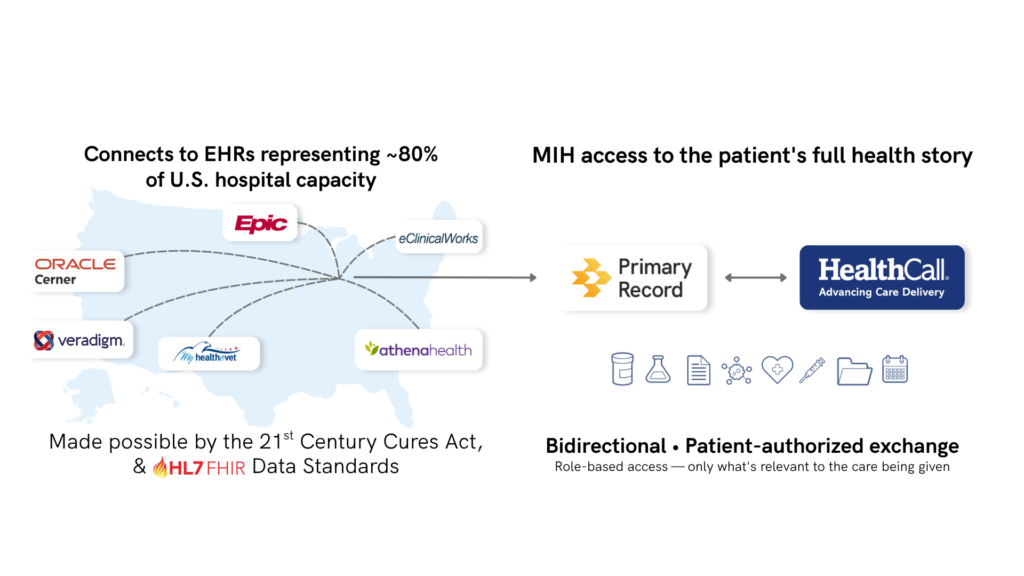
With Primary Record, daughters have one secure, intuitive hub to connect patient portals, upload caregiving notes and documents, and easily manage permissions for family members to collaborate around their evolving health story. Leveraging a Chat Assistant powered by AI, daughters and authorized family members can quickly find answers, instantly summarize complex medical conversations, and rapidly access critical information when crucial decisions must be made.
Primary Record’s unique approach includes:
- A Family-Owned Connected Hub: Securely capturing and verifying health data, ensuring accuracy, and providing families full ownership of their information.
- Collaboration Tools: Allowing daughters and siblings to easily share caregiving responsibilities without endless texts, unnecessary calls, or paper forms.
- Expanded Community Connection: Streamlining interactions between families, senior living, and community businesses, enabling innovative models that save everyone time.
Both Primary Record and Daughterhood remain deeply committed to creating supportive communities connecting family caregivers with real people, practical solutions, and meaningful support.
To learn more, visit Primary Record’s website and daughterhood.org. You can RSVP to Jean’s monthly Daughterhood Circle at https://daughterhood.org/circles/.
For media inquiries, please get in touch with the Primary Record team here.