
The ROI of Patient Access APIs That No Health Plan Is Measuring…Yet
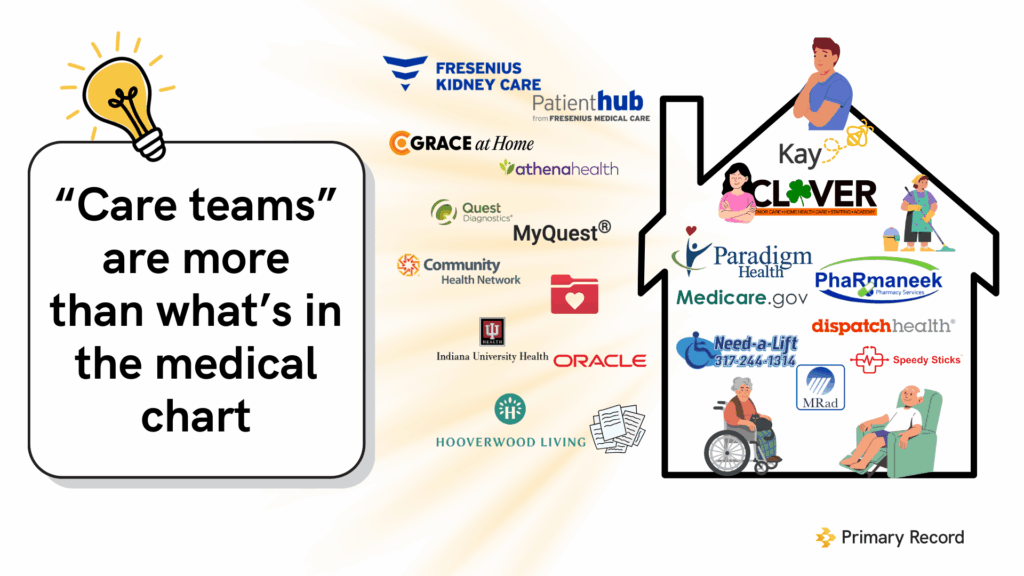
Health plans have spent millions building Patient Access APIs, but few understand what actually happens once the data reaches members and caregivers. Real ROI doesn’t come from FHIR servers or compliance checkboxes. It comes from the last mile of interoperability: when families can finally see, understand, and use their own data to prevent crises, close care gaps, and make better decisions at key moments of care.
Struggling to Get Medical Records? How to Recognize and Report Information Blocking
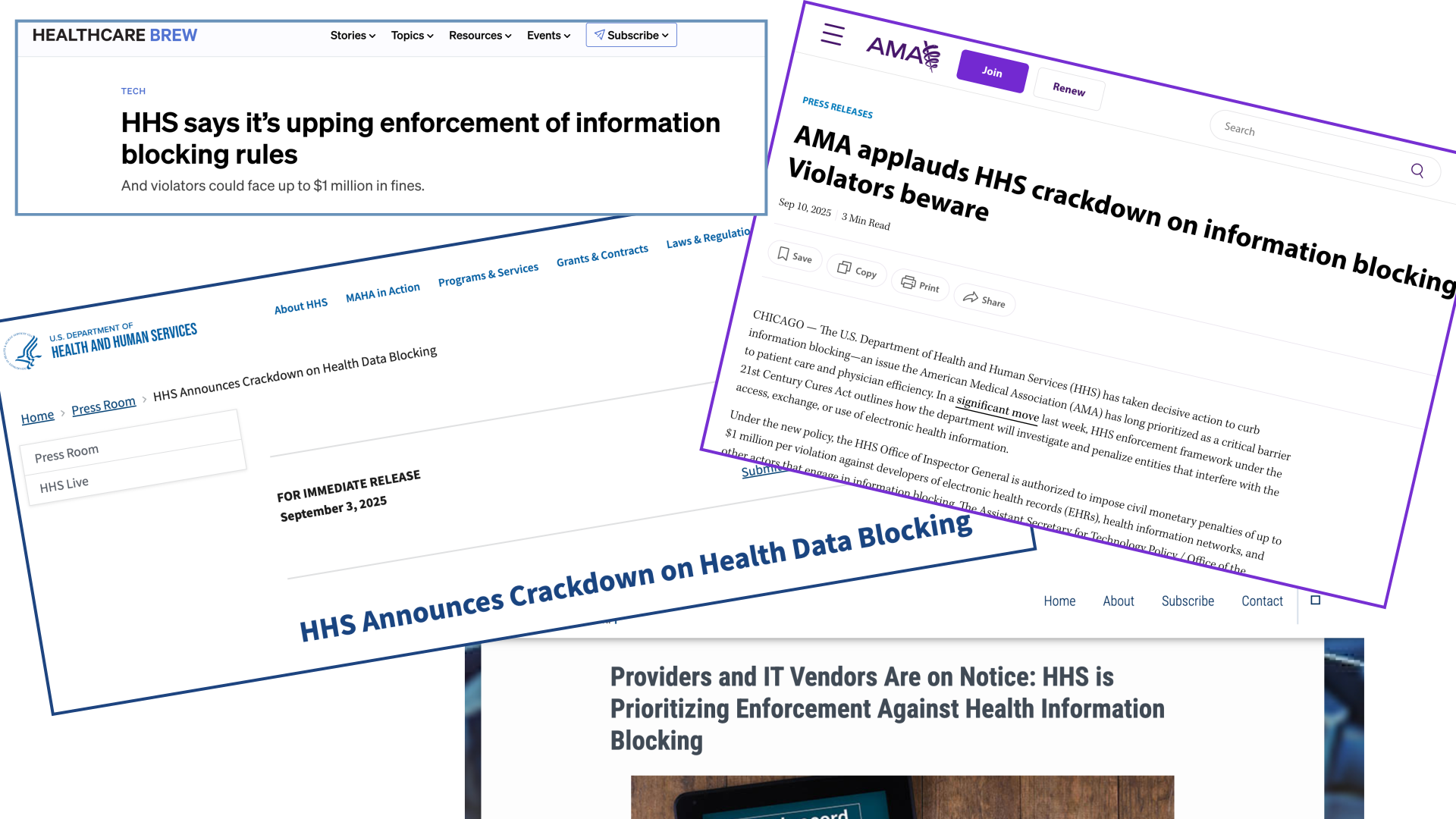
Delays, denials, and endless runarounds for medical records are far more common than people realize, and many of them violate federal information-blocking rules. Families, caregivers, clinicians, and advocates often don’t know they can file an information blocking claim. This post explains information blocking and introduces a GPT to help anyone step-by-step through drafting a claim!
Primary Record and Fasten Health Partner to Strengthen Patient-Directed Interoperability Nationwide
Primary Record and Fasten Health have partnered to solve the last mile of health data interoperability, helping families to securely access, organize, and direct their health information across any EHR for better care coordination.
Helping Families Prepare: Life Care Management Institute and Primary Record Partner to Support Families
When a parent’s health begins to change, families often face confusion and overwhelm. This National Family Caregivers Month, Primary Record and the Life Care Management Institute (LCMI) have partnered to help families plan ahead and stay organized through the Family Aging Plan course and Digital Playbook, turning caregiving chaos into confident, connected care coordination.
When Hospitals Switch Systems and Records Go Missing: What Families and Care Teams Should Know

When health systems switch EHR platforms, the technical impact is only part of the story. For patients and caregivers, critical health records can vanish overnight. For clinical teams, it’s months of preparation and even longer rebuilding trust. As the White House pushes for stronger patient access and data ownership, this blog explores what really happens during an EHR transition and how Primary Record can serve as a failsafe for continuity, connection, and care that extends beyond the hospital walls.
3 Things We Told the Government About Fixing Health Records

Primary Record just submitted feedback to CMS on how to fix the health data mess families face every day. From missing records to overwhelming paperwork, we shared three lessons from the frontlines—and how our platform is already helping over 900 families and professionals stay organized, connected, and in control.
From Faxes to Portals: Tell CMS What’s Working and Failing Patients and Families
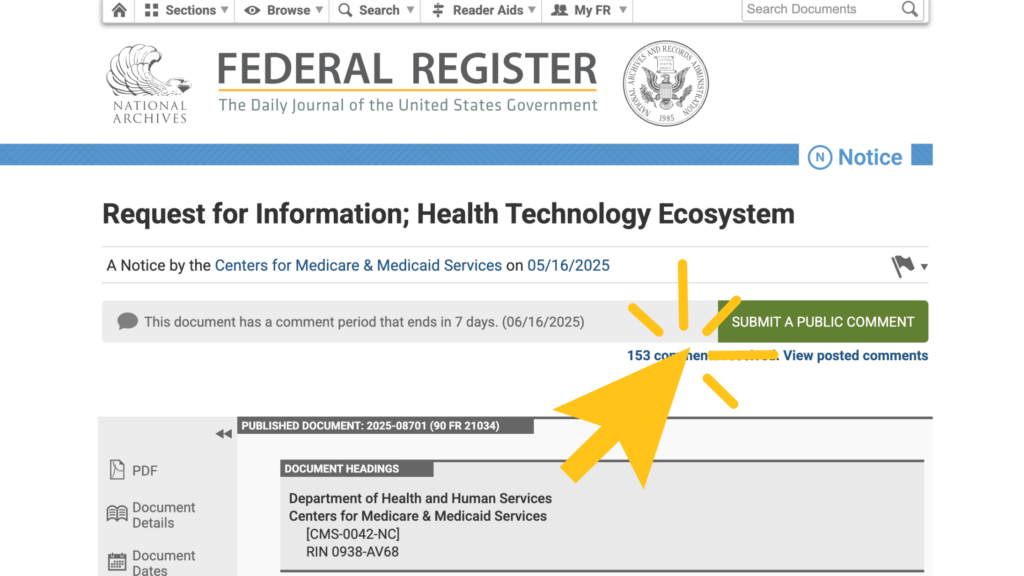
CMS is asking families, caregivers, and clinicians to share what’s working and what’s not in digital health. If you’ve struggled with records, portals, or coordinating the right care, now’s your chance to speak up. Learn how to submit your comment before June 16.
Choosing the Right Care Coordination Technology

Looking for care coordination software that actually works for your team and the families you support? Whether you’re a private advocate, social worker, nurse, or senior living professional, this guide compares five leading platforms built to simplify communication, reduce chaos, and improve outcomes. Discover which tools offer flexibility, family engagement, and real-world usability—without the complexity of a full system overhaul.
Partners in Care: Meet the Teams Using Primary Record with Families

Meet the professional care advocates and coordinators using Primary Record to simplify healthcare for families. Whether you’re caring for a child with complex medical needs or an aging parent, these experts combine compassion with technology to help families stay organized, informed, and supported.