
Primary Record Partners with National Shattering Silence Coalition (NSSC) on Bristol Myers Squibb–Funded Crisis to Care Pilot
Primary Record is the technology partner for Crisis to Care, a 12-month pilot from the National Shattering Silence Coalition (NSSC) funded by Bristol Myers Squibb. The pilot pairs 50 families of adults with severe mental illness with lived-experience Family Navigators and Primary Record’s secure health app. Together, they help families organize and share vital health information when a crisis hits.
A State’s Guide to RHTP Interoperability: Building on Your HIE to See the Whole Patient
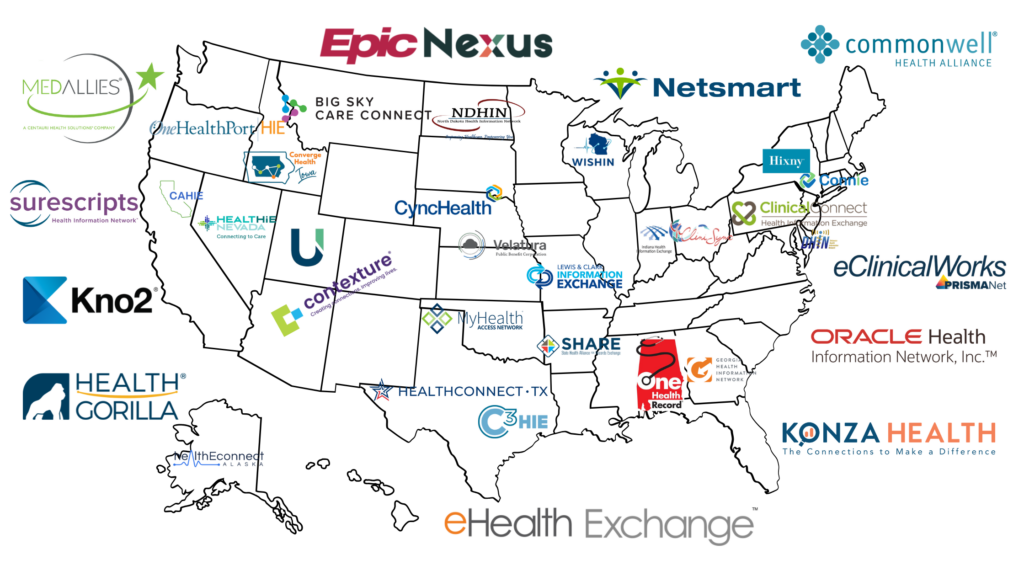
RHTP asks states to report community-level outcomes. This guide maps the interoperability pathways available beyond the state HIE, from QHINs to patient-directed access, plus five questions to ask as you fund integrations.
Discover Dementia GUIDE Model Participants in Your State

The GUIDE Model represents a significant advancement in dementia care, offering structured support and respite services for caregivers and comprehensive care management for patients. Find an easy to scan list of established organizations to see if there is a program in your state!
Primary Record and HealthCall Announce Mobile Integrated Health Interoperability Partnership
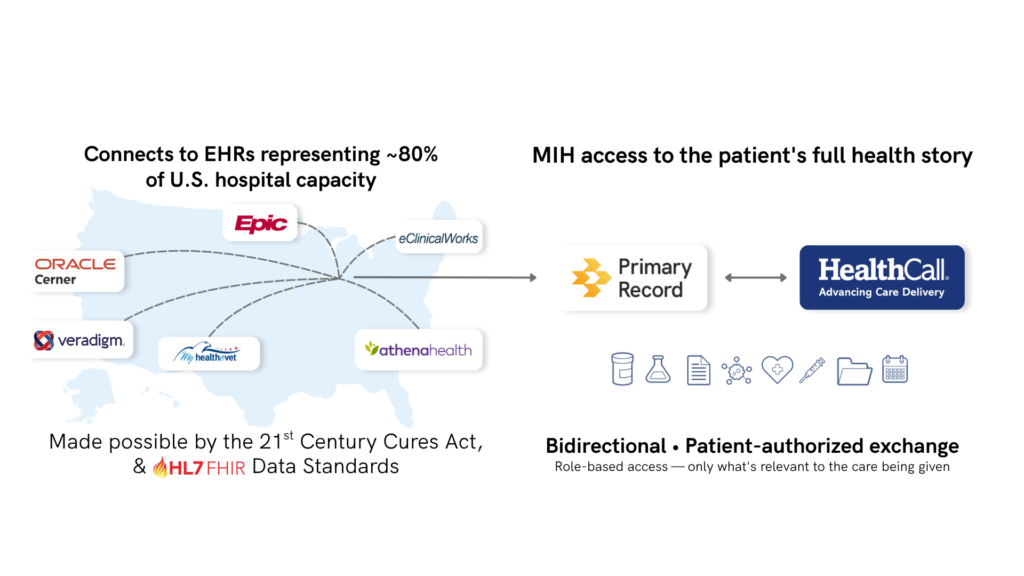
Community paramedics often arrive on scene with little to no patient history due to data locked away in disconnected hospital systems. A new partnership between Primary Record and HealthCall closes that gap, giving Mobile Integrated Health teams bidirectional, patient-authorized access to a patient’s full health story right when it matters most.
The Medical Binder: Why We Keep Asking Families to Solve a Problem the Healthcare System Created

Type “medical binder caregiver” into any search engine and you’ll find hundreds of guides, downloadable PDFs, and printable templates telling families to get organized. But why, in 2026, are we still asking caregivers to solve a problem the healthcare system created? Primary Record and the National Shattering Silence Coalition are here to change that.
Rural Health Has a Last-Mile Data Problem. FHIR Is Part of the Answer.
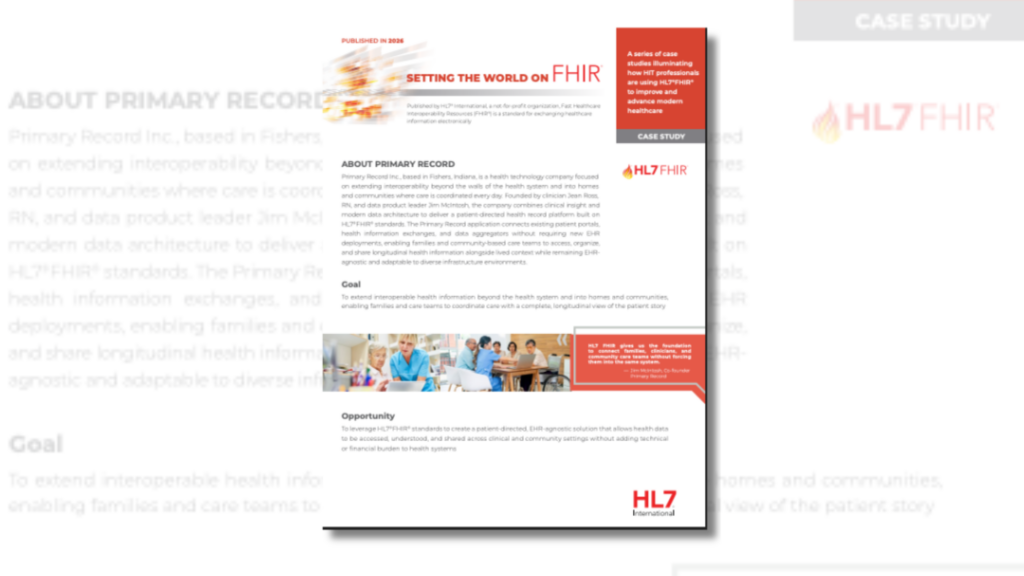
Health systems have made real progress on interoperability. But outside clinical walls, rural care teams, community paramedics, and family caregivers are still stitching records together by hand. Primary Record co-founder Jean Ross, RN, on the last-mile data problem in care coordination, and what FHIR can and can’t yet solve.
Why Do We Build Medical Care Pathways But Not Social Ones?

We’ve spent decades building clinical pathways for heart failure: the drugs, the testing intervals, the escalation triggers. But the pathway stops at the hospital door. The community paramedic, the area agency on aging, the community health worker, they’re doing the work that keeps patients out of the ER, and none of them are in the same system, reliably funded, or connected to each other. It’s time to build the care pathway that starts when the patient goes home.
There Is No Official “HIPAA Compliance Logo.” Here’s What to Look for Instead.
Many families think they need to look for a HIPAA compliance logo when choosing a health app, but no official logo actually exists. Learn what certifications really matter and how to choose tools that truly protect your health information.
The Portal Paradox: What Rural Health Programs Must Know Before Investing in Interoperability
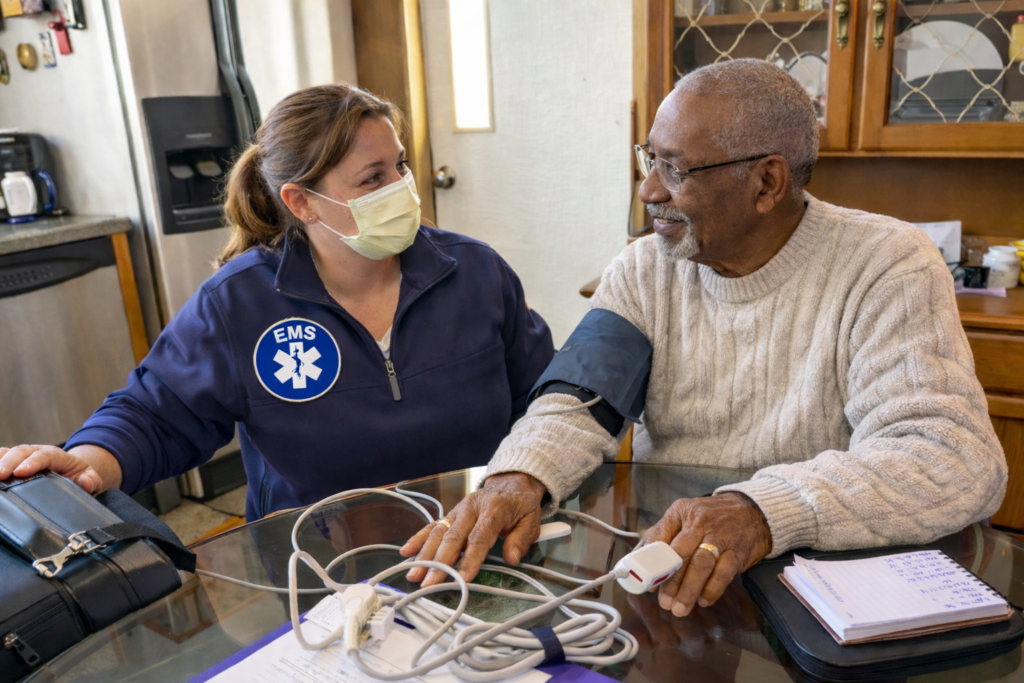
Rural health committees can learn from big systems’ expensive interoperability mistakes without inheriting problems they lack the resources to fix. Learn how to evaluate vendors and protect your investment.