

As students embark on field studies, study abroad programs, and off-campus internships, ensuring their health and safety is a top priority for their university. Primary Record offers a secure and efficient way to share real-time electronic health information, providing peace of mind for everyone involved. This guide highlights the benefits of using Primary Record for students and parents, making sharing health information simpler and more reliable.
No More Repeated Medical Form Filling
One of the most significant advantages of Primary Record is the elimination of repetitive form-filling. Students can gather and store all their health data in one place, including medical history, medications, allergies, and emergency contacts. This information can be easily shared with universities without filling out multiple forms for each program or trip. This streamlined process saves time and reduces the risk of errors, ensuring that universities have accurate and up-to-date information to provide the necessary care.
Real-Time Updates at Your Fingertips
With Primary Record, students and parents no longer rely on handwritten forms filled out months before a program starts. Instead, they can input real-time updates anytime, ensuring the information shared with university personnel is accurate and timely. Any changes in health status, emergencies, or necessary actions can be documented in real-time, providing immediate visibility and actionability. This ensures that everyone involved is informed and can respond quickly to any health concerns, enhancing the overall safety and well-being of the student.
Peace of Mind for Parents
Knowing parents or guardians can see updates and activities related to their child’s health provides significant peace of mind. Primary Record allows parents to stay connected and informed, even when their child is away from home and their college town. In an emergency, parents can follow updates in real-time, seeing notes about the student’s condition, steps being taken, and any necessary actions. This transparency helps alleviate anxiety and ensures that parents are always aware of their child’s health status.
Supporting Ongoing Medication Management
Managing medications while away from home can be challenging for students. Primary Record allows students to input medication schedules, dosages, and special instructions. University staff can monitor this information, who can provide reminders, and assist with obtaining refills if necessary. By ensuring that students maintain their medication routines without interruption, Primary Record helps reduce the risk of health complications and supports students’ overall well-being.
Legal and Secure Handling of Health Information
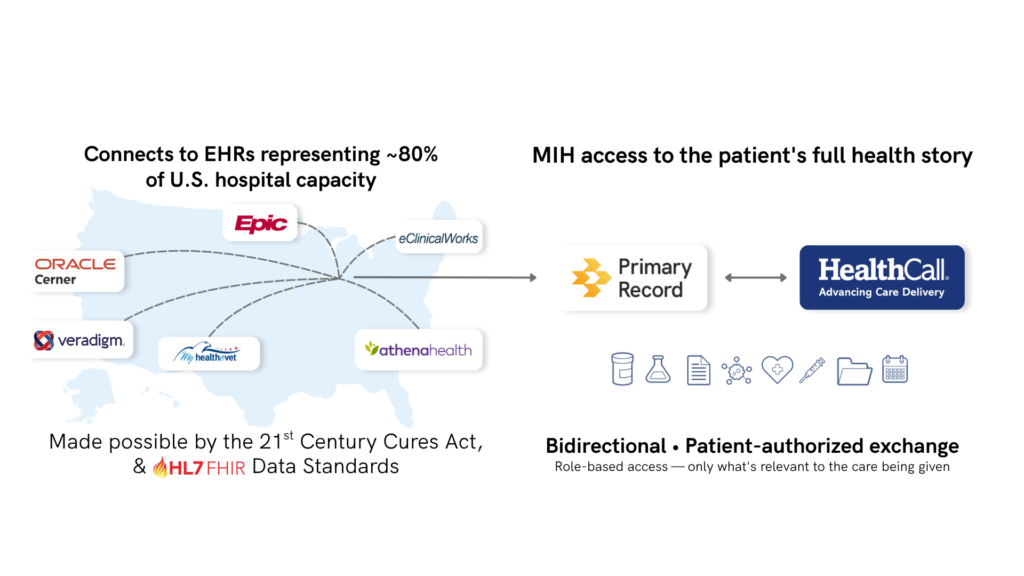
Primary Record ensures that all health information is handled securely and complies with data privacy laws. Students own their Primary Record and can invite parents and designated university personnel to view and edit specific areas of their health data. This approach ensures that health information is managed legally and securely, giving students control over their data while providing necessary access to those responsible for their care.
Conclusion
Primary Record offers numerous benefits for students and parents, making sharing health information more accessible, reliable, and secure. Using Primary Record, students can share their health data with universities without the hassle of repeated form-filling, receive real-time updates on their health status, and ensure ongoing medication management. Parents can stay informed and have peace of mind knowing they can see updates and activities related to their child’s health. This innovative solution provides students with a safer, more supportive environment during their educational adventures away from home.
For questions about Primary Record, don’t hesitate to get in touch with our support team!