
Why Do We Build Medical Care Pathways But Not Social Ones?

We’ve spent decades building clinical pathways for heart failure: the drugs, the testing intervals, the escalation triggers. But the pathway stops at the hospital door. The community paramedic, the area agency on aging, the community health worker, they’re doing the work that keeps patients out of the ER, and none of them are in the same system, reliably funded, or connected to each other. It’s time to build the care pathway that starts when the patient goes home.
There Is No Official “HIPAA Compliance Logo.” Here’s What to Look for Instead.
Many families think they need to look for a HIPAA compliance logo when choosing a health app, but no official logo actually exists. Learn what certifications really matter and how to choose tools that truly protect your health information.
Why ‘Just Give Me Your Login’ Puts Caregivers and Advocates at Risk
Many patient advocates and caregivers rely on shared logins or HIPAA authorizations to access medical records, often without realizing the legal and ethical risks. This article explains the critical difference between HIPAA Authorization and the HIPAA Right of Access, and what safer, patient-directed access really looks like.
Struggling to Get Medical Records? How to Recognize and Report Information Blocking
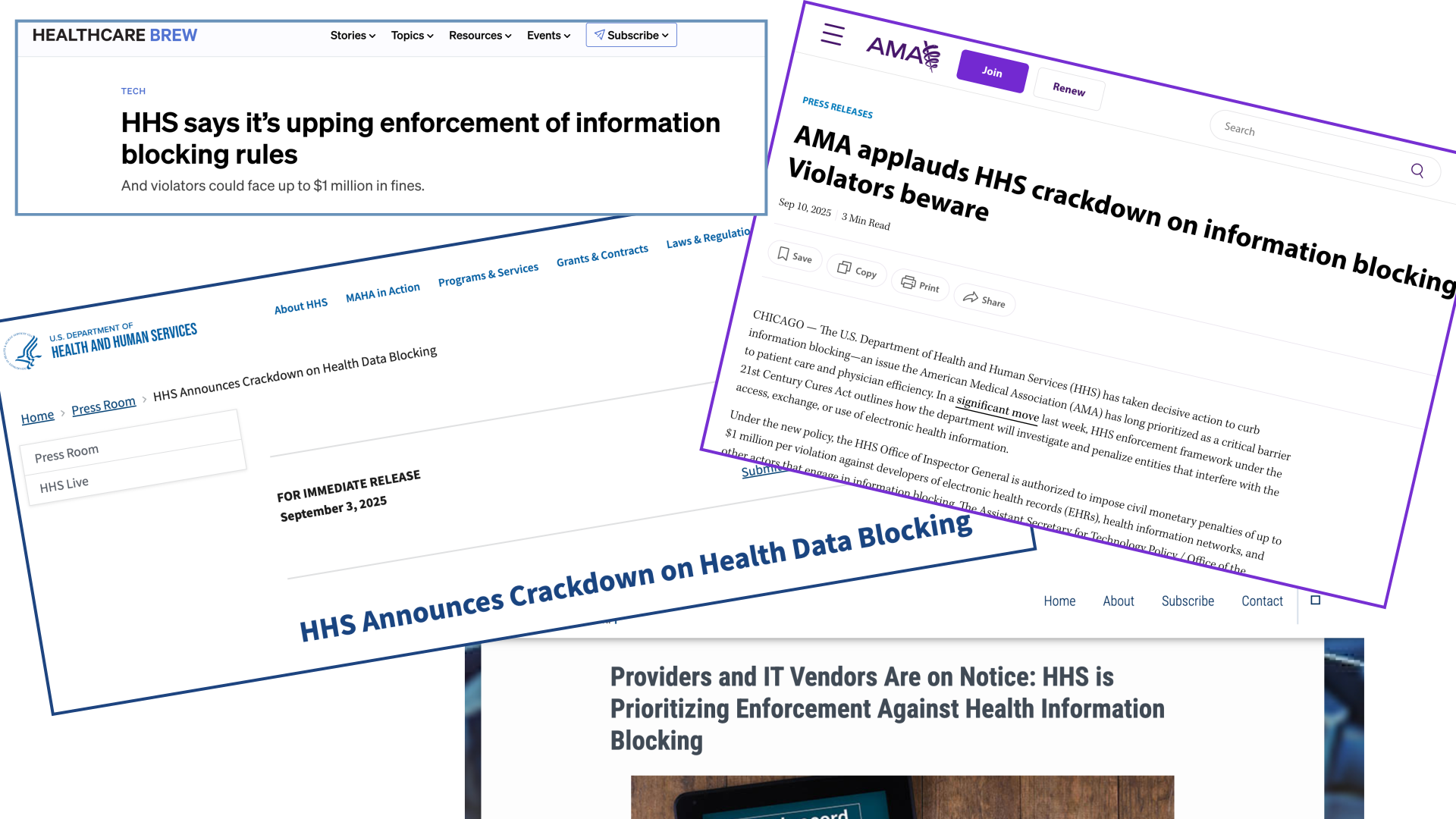
Delays, denials, and endless runarounds for medical records are far more common than people realize, and many of them violate federal information-blocking rules. Families, caregivers, clinicians, and advocates often don’t know they can file an information blocking claim. This post explains information blocking and introduces a GPT to help anyone step-by-step through drafting a claim!
When Hospitals Switch Systems and Records Go Missing: What Families and Care Teams Should Know

When health systems switch EHR platforms, the technical impact is only part of the story. For patients and caregivers, critical health records can vanish overnight. For clinical teams, it’s months of preparation and even longer rebuilding trust. As the White House pushes for stronger patient access and data ownership, this blog explores what really happens during an EHR transition and how Primary Record can serve as a failsafe for continuity, connection, and care that extends beyond the hospital walls.
3 Things We Told the Government About Fixing Health Records

Primary Record just submitted feedback to CMS on how to fix the health data mess families face every day. From missing records to overwhelming paperwork, we shared three lessons from the frontlines—and how our platform is already helping over 900 families and professionals stay organized, connected, and in control.
From Faxes to Portals: Tell CMS What’s Working and Failing Patients and Families
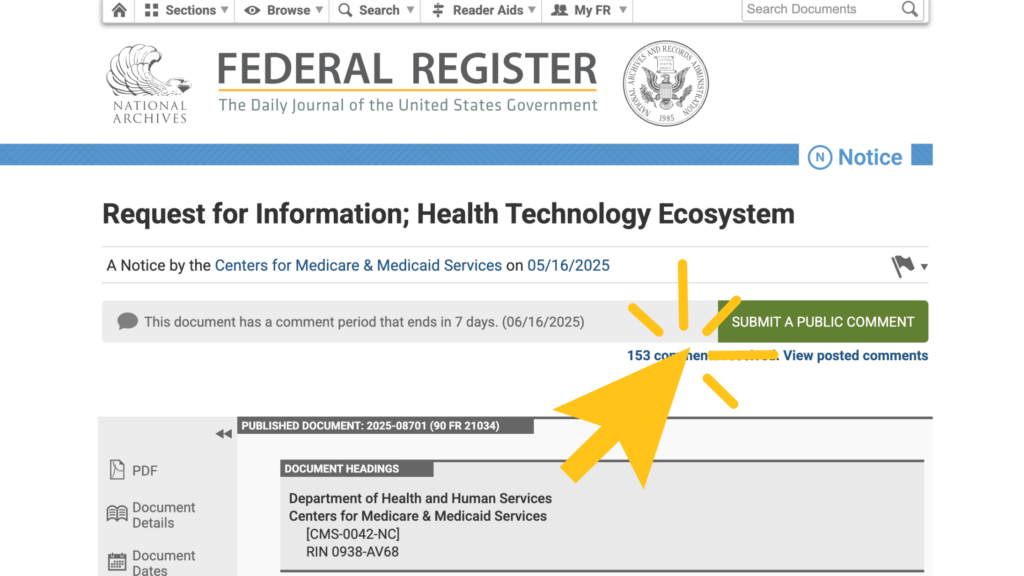
CMS is asking families, caregivers, and clinicians to share what’s working and what’s not in digital health. If you’ve struggled with records, portals, or coordinating the right care, now’s your chance to speak up. Learn how to submit your comment before June 16.
Partners in Care: Meet the Teams Using Primary Record with Families

Meet the professional care advocates and coordinators using Primary Record to simplify healthcare for families. Whether you’re caring for a child with complex medical needs or an aging parent, these experts combine compassion with technology to help families stay organized, informed, and supported.
The Ultimate State-by-State Guide to Picking the Right Assisted Living

Finding the right assisted living facility for a family member starts with understanding your state’s regulations. Every state has different rules on who qualifies, what care is provided, and how facilities are monitored. This guide breaks down everything you need to know—from admission requirements to Medicaid options and resident rights—so you can make informed decisions with confidence.