

The mock call below is a dramatization of events and are no way recorded or reflective of a specific interaction.
phone begins to ring…
Jim: “Hi, this is Jim.”
Caller: “Jim, this is Paul. Our local Down Syndrome shared this phone number with us. Our daughter was just born yesterday and she was diagnosed with Down Syndrome.”
Jim: “Hi Paul, congratulations on the birth of your baby girl! As the team may have shared, I volunteer as a First-Call father with Down Syndrome Indiana (DSI). I’m so glad you called.”
Caller: “Jim, to be honest, my wife and I are overwhelmed. Down Syndrome (DS) seems scary. Is our little girl going to have a hard life?
Jim: “It’s completely normal to have all the feelings you have. You took a crucial step by reaching out for some support and guidance. There are many resources and services in your community that will help and support you.
Caller: “Well Jim… I’m not sure where to begin…”
Down Syndrome First Call Program
Today, if you were to call the Down Syndrome Indiana First-Call Program, a volunteer, like Jim, would answer. Jim dedicates his time to this outreach because he understands the myriad of thoughts that new parents have while relishing a new baby’s arrival and becoming anxious about challenges ahead.
In the early 2000s, Jim McIntosh and his wife Kelly had their first daughter, Mia. At that time, Down Syndrome International didn’t have a First-Call Program. Thankfully someone in the ICU connected the McIntosh family with a pediatrician whose daughter had Down Syndrome. This introduction helped the family better visualize Mia’s opportunities for growth and success.
Down Syndrome (DS) is caused by an extra copy of the 21st chromosome giving people with DS 47 chromosomes instead of 46 like you. Those with Down Syndrome live incredibly happy, healthy, productive lives and contribute to their communities. Source: DSIndiana
“There was also a picture outside the NICU of a seven-year-old girl with DS. The text surrounding the image told a little of her story. She had become a dancer and loved hanging out with her neighborhood friends. People just need a small example.”
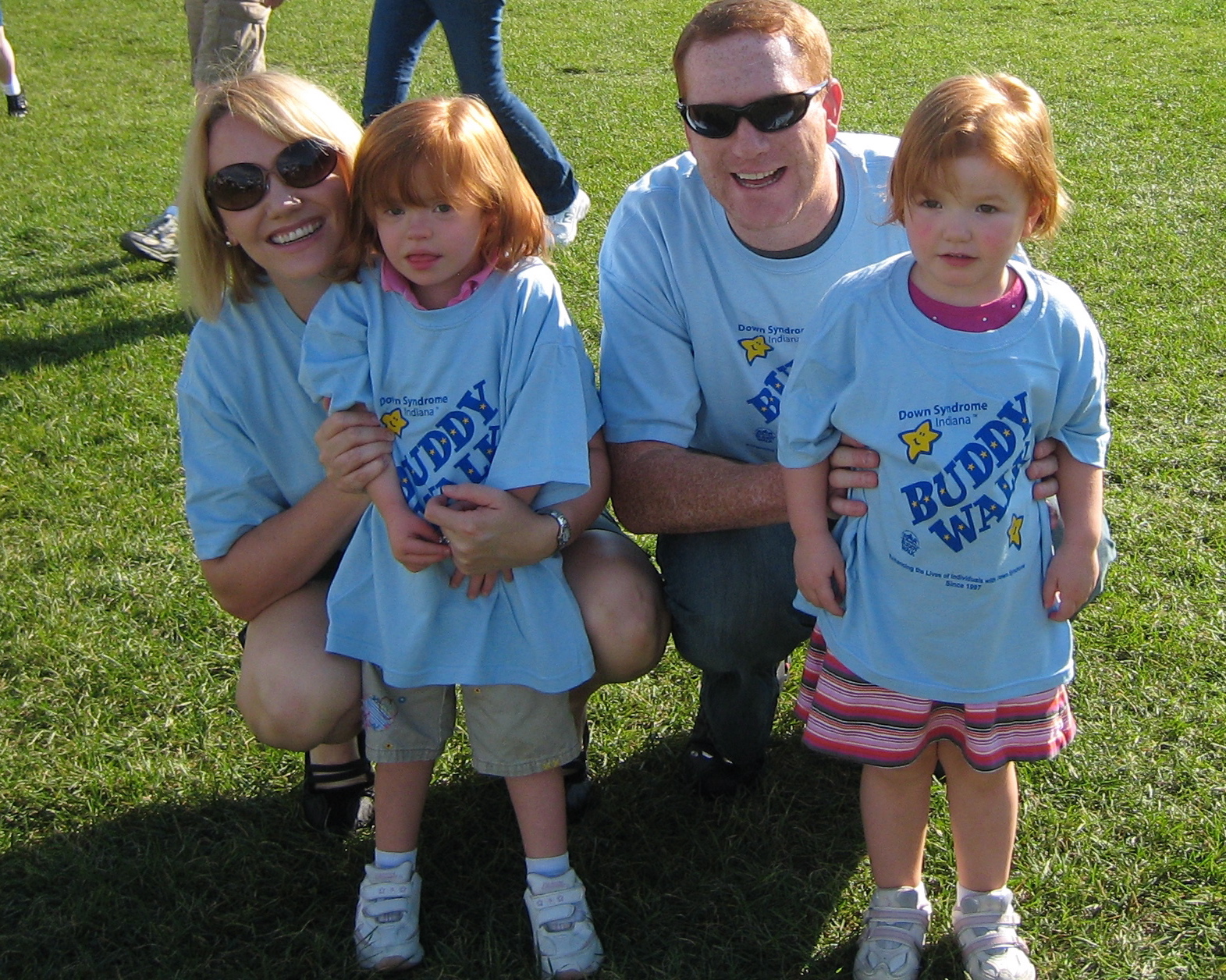
It was small examples like this that gave Jim and Kelly the confidence to advocate for Mia and shape her experiences so that she could thrive. In 2006, Jim, Kelly, Mia, and Ellie attended their first DSI Buddy Walk in Salt Lake City, UT. Almost every year since the family has attended the Buddy Walk to celebrate Mia and raise awareness about Down Syndrome.
“Simply being around other families can help bring a sense of normalcy and community. The event is awesome because it brings in local services, like Primary Record this year, that understand their needs and can offer guidance or resources,” said Jim.
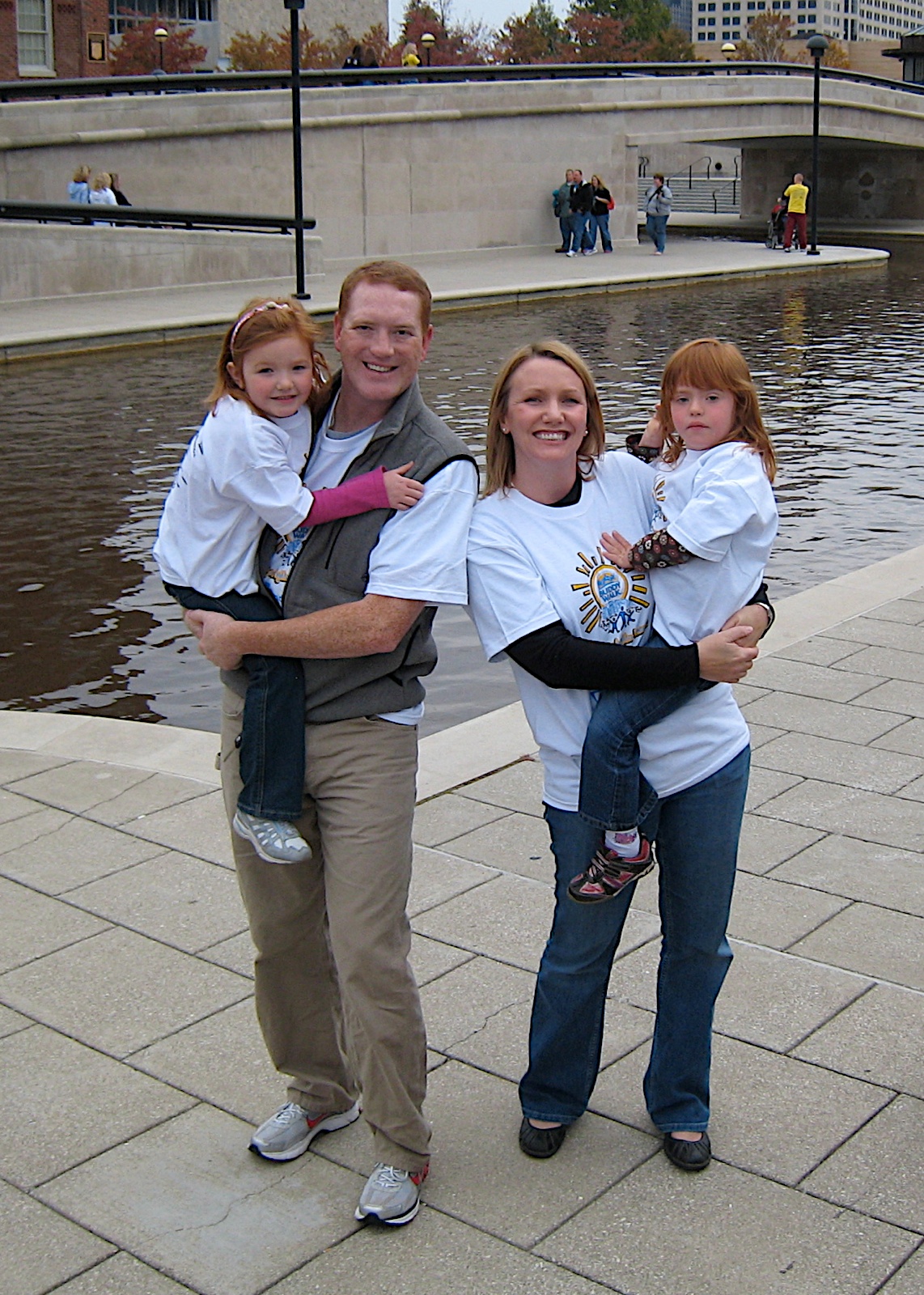
October is National Down Syndrome Awareness Month (DSAM). On October 5, Jim and Mia hosted a table for Primary Record this year during the Indianapolis Buddy Walk. They showed families how to streamline medical records, better advocate, and strengthen care plans. Speaking from their own experiences, they shared resources, groups, and programs that families with DS can enjoy too. Now an adult, Mia reflected on incredible experiences and friendships that look no different than ones of children without Down Syndrome.
Supporting independence for the intellectual and developmental disabilities (IDD) community with Primary Record isn’t just a big deal for others. Continue reading to see how Mia is an advocate in her own right too.
Additional National Resources
- First-Call programs exist in many areas throughout the United States and can be found by city or state. Simply search in your internet browser: first-call down syndrome + (your state)
- National Down Syndrome Society (NDSS) – This organization is a key resource for Down Syndrome Awareness Month (October). Their content emphasizes breaking down barriers and promoting advocacy for people with Down syndrome. NDSS suggests ways to get involved during the awareness month, such as sharing social media content, attending events, and supporting their initiatives.
- Global Down Syndrome Foundation – They offer a wide range of educational resources and support services for people with Down syndrome and their families. The foundation is involved in medical care guidelines, advocacy, and special events to raise awareness.
- GiGi’s Playhouse – This is a network of Down syndrome achievement centers offering programming, events, and community support. They provide a list of activities to get involved in during Down Syndrome Awareness Month, including wearing blue and yellow to show support, volunteering, and organizing fundraisers.
Manage Care With Primary Record
Primary Record was created to help families (like yours) manage care in real-time. Sign-up at https://www.primaryrecord.com/ to begin your journey to better healthcare outcomes.